
In-Game Purchases and Gambling: How Players Can Make Informed Decisions
Video games offer interactive worlds, competitive challenges, and opportunities to connect with other players. Many titles also include in-game purchases, ranging from cosmetic upgrades to randomized reward boxes. Although these features can appear to be ordinary parts of gaming, understanding their costs and mechanics is important for players and families.
Understanding Different Purchase Systems
Not every in-game purchase involves gambling-like mechanics. Some transactions provide a clearly identified item for a fixed price. Players know what they are buying before completing the transaction.
Randomized rewards work differently. A player may pay for a box, pack, or digital draw without knowing exactly which item will appear. The possibility of receiving a rare reward can encourage repeated purchases, especially when the game highlights desirable items or creates a sense of urgency.
The distinction matters because predictable purchases and chance-based rewards involve different financial decisions. Players should read the rules, check whether advertised probabilities are available, and understand whether purchased virtual items can be traded, transferred, or refunded.
Why Small Purchases Can Add Up
A purchase that costs only a small amount may seem harmless in isolation. However, repeated transactions can create a significant expense over time. Limited-time offers, countdowns, and special events may also encourage players to spend before considering their budgets.
One practical solution is to establish a monthly gaming allowance. Players can review transaction histories, disable one-click purchasing, and require password confirmation before spending. Parents can use available parental controls to restrict purchases and discuss spending expectations with younger players.
Another useful habit is to pause before buying randomized rewards. Ask whether the purchase is affordable, whether the desired item is guaranteed, and whether the entertainment value justifies the cost.
Protecting Younger Gamers
Children may have difficulty distinguishing virtual currencies from real money. Parents and guardians can explain how digital payments work, review age ratings, and discuss the difference between earning rewards through gameplay and purchasing chances to receive them.
Developers also have a responsibility to present prices clearly, explain randomized systems, and provide accessible spending controls.
Conclusion
In-game purchases are not automatically harmful, but unclear pricing and chance-based rewards can make spending difficult to manage. Understanding purchase mechanics, setting firm limits, and reviewing transactions can help players enjoy video games without allowing digital spending to interfere with essential expenses. Gaming should remain entertainment, not a source of financial pressure.
 Video games and gambling are different forms of entertainment, but some digital experiences share similar design elements. Both can use rewards, probability, progression systems, and anticipation to maintain player attention.







 Parents can help stop harmful gaming behaviours by tracking their children’s gaming patterns, teaching them about the dangers, and imposing reasonable limits. Encouragement of a responsible and healthy gaming environment depends on open communication between parents and children.
 Mega888client offers not only gambling but also a range of video games. Offering pleasure and a break from the rigorous gambling experience, these games might range from casual titles to more sophisticated ones. However, the way video games are combined with gambling has sparked discussions about the possibility of erasing the boundaries between leisure and maybe dangerous pursuits.
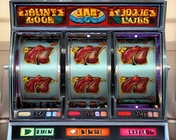 In the world of online slots, horizontal pay lines are king. A horizontal pay line typically runs along each row, taking its cue from the pay lines found on vintage fruit machines, which sometimes featured just one pay line in the center of the reels. Five horizontal pay lines are standard on slot machines that use a 5×5 grid.
 No one can deny the obvious advantages that could accrue to the gaming industry. A new source of income, in-game betting keeps users engaged and may even lead them to spend more on in-game items to back their wagers. Nevertheless, there are difficulties with this economic approach. The future of gaming may lie in its potential to promote unhealthy forms of competition and risk-taking.